
Megumi Tada, Institute for the Promotion of Higher Education, Hirosaki University, Japan
Shari Joy Berman, Hirosaki University Graduate School of Medicine, Japan
Tada, M., & Berman, S. J. (2024). Integrating the English Lounge at Hirosaki University. Studies in Self-Access Learning Journal, 15(4), 442–452. https://doi.org/10.37237/150405
Abstract
The English Lounge at Hirosaki University was established in 2012 with the goal of promoting internationalization at the university. Currently its part of the Institute for the Promotion of Higher Education. The English Lounge offers students opportunities to enhance their English skills and cultivate an international mindset, and it also engages in community outreach with high school students and local citizens. This summary article outlines the English Lounge’s 13-year journey, offering insights for other SALCs in Japan. The focus is on how the English Lounge integrated itself into the university system and established an identity. The summary covers six phases of integration: 1) the structural move to the Center for Liberal Arts Development and Practices, 2) its role with the university’s Hayabusa College program, 3) the connection it developed with international exchange students, 4) the establishment of social outreach programs, 5) its role in the newly formed Advanced Language Learning minor, and 6) the development of one-of-a-kind events and a series of talks called the EL Forum.
Keywords: SALC, managing SALC, organizational strategy, student voices
Hirosaki University’s SALC, self-access learning center, the English Lounge, hereinafter called the EL, was established in 2012. It is now in its 13th year of continuous operation. Initially conceived as a five-year project under the direct supervision of the university president, the goal was to internationalize the university beyond the scope of previous educational and exchange offerings. Today, as part of the Institute for the Promotion of Higher Education, this SALC continues to help develop undergraduate, graduate, and international exchange students’ English language skills, communication skills, and international awareness. Additionally, the EL runs several social outreach programs, such as special workshops for residents, and provides opportunities for high school students in Aomori to join EL seminars online. Reflecting on its 13-year history, we thought it would be beneficial to share our experiences managing the EL and hope to provide insight for other SALCs in Japan in ways to integrate their facilities more deeply with other academic endeavors at their universities.
At its inception in April 2012, the EL was part of the International Exchange Center, which already had a Japanese language and overseas exchange program. Six instructors were hired as full-time employees: one professor (Japanese), two associate professors (American and Australian), and three lecturers (Japanese, American, and Canadian). The university aimed to enhance its “glocal,” think global, act local approach to education by providing students with opportunities to develop practical English skills prior to graduation. One phrase frequently employed at the time was 国内留学kokunairyugaku, “domestically simulated overseas exchange.”
The EL has consistently offered a variety of programs, including seminars, conversation circles, individual consultations, and special events. It has also served as a language laboratory/study hall of sorts with English reading materials and a media room. The EL currently is open from Monday to Friday (10:20 – 17:30) throughout the school year.
Integration of the EL Into Hirosaki University
In this introduction to the EL, we outline our 13-year journey, highlighting our efforts to integrate the SALC into the university system and establish identity. This integration is presented in six phases, each reflecting significant changes in how the EL evolved over time.
Integration 1: Structural Move to the Center for Liberal Arts Development and Practices
At its inception, the EL was structurally part of the International Exchange Center, leaving us disconnected from the faculties and core English language instruction at the university. However, before the completion of the five-year internationalization project in 2017, the EL became part of the newly formed Center for Liberal Arts Development and Practices. We were already helping make changes to English courses and freshman testing as part of the standard curriculum, but we were given more seats at the table vis-à-vis helping to add our voices to the ongoing restructuring of the university’s existing English curriculum. This was one facet of the integration of the EL into the core English program.
From the very beginning, EL faculty had students from their regular English classes complete tasks in the EL, but a more formalized system called Activity Reports was created in 2020, which offers students the ability to keep track of their EL use by completing a report after joining an activity (e.g., conversation circle, seminar, event). Students can then submit the reports to their English teachers, and some teachers use these reports towards self-study credit or extra credit that they apply to final grades.
Integration 2: The EL and HIROSAKI Hayabusa College
HIROSAKI Hayabusa College was established in 2013 by four faculty members from the International Department, two of whom were EL faculty. Over the past 12 years, the EL faculty has contributed to running various aspects of this program. Named after the swift peregrine falcon, this special “honor’s college” aims to develop globally competent students. As an integral part of achieving this goal, students participate in EL activities prior to and after going abroad. This includes attending EL seminars, conversation circles, and other events in the EL. The overseas portion is a short-term study abroad program; former destinations have included New Zealand, Canada, Korea, Thailand, and Australia. To graduate from this college, they must obtain a pre-determined score on a standardized English test and present research that they began while studying abroad. Faculty members in charge of the EL play an active role in guiding them through this research and preparing them for English presentations (for more information on this program, see the article by Birdsell and Niioka in this issue).
Integration 3: Building a Connection With International Exchange Students
In 2014, the EL introduced “EL Supporters.” EL Supporters are international exchange students recruited each year to join the EL as paid assistants. They work in the Conversation Circle and provide students learning English with opportunities to interact with peers from various countries from every inhabited continent, North America, South America, Africa, Europe, Asia, and Australasia. The EL Supporters also occasionally serve as teaching assistants to faculty members in seminars. They provide not only language support but also cultural exchange.
After a decade-long positive track record, actively recruiting students is no longer necessary; word-of-mouth advertising has become sufficient. Experienced exchange students recommend the EL to new students, resulting in a smooth transition between the academic years. EL Supporters, especially those with lower levels of Japanese, sometimes find the EL to be one of the few places where they can interact with and meet Japanese students. For more information about EL Supporters, see Solomon, this issue.
Integration 4: Social Outreach – Young, Old, and New Staff
As educational institutions around the world turned to technology during the pandemic, the EL also adapted and began conducting online seminars for students. Several online EL seminars have continued post-pandemic. The drive to maintain this online presence was fueled by the director of education, who wished to attract more high school students from the prefecture to the university. One way to do this was to open up the EL seminars to high school students so they could gain early exposure to college-level classes and learn more about the university and its SALC. In the current design, each week, the EL offers four evening EL seminars that are hybrid, i.e., open to Hirosaki University students both face-to-face in the EL and online, and to others online only. Faculty members in charge of the EL at the start of each year contact English high school teachers in Aomori and provide them with information about this opportunity and technical support on how to use the service, and then conduct an initial orientation seminar to help the high school students and their teachers become familiar with the process.
In addition to the high school program, the EL has been hosting outreach programs for the community since 2012 involving local residents and children. The programs are held in the EL and provide opportunities for the local community to improve their English communication skills, learn more about the university and the EL, and interact with the faculty members in charge of running the EL. Moreover, Green College, a program established in 2015, allows residents to take courses at the university. The goal is to provide opportunities for individuals, particularly seniors, to continue learning throughout their lives. As a student in Green College, they also can join the EL and share their experiences and wisdom with the younger students in the conversation circle or in seminars.
Since 2017, faculty members in charge of the EL have also been involved with organizing and teaching a staff development (SD) program. As the university president has been encouraging English proficiency among staff members, each year, the EL conducts an SD for new staff, focusing on improving their English communication and cultural understanding. The SD program further gives EL faculty the chance to meet the staff members, and this further deepens the integration of the SALC and the university at large.
Integration 5: The EL and the Newly Formed Advanced Language Learning Minor
A university-wide minor program was launched recently. One faculty member in charge of the EL was on the official committee and was involved in designing some of these minors. One minor, specifically connected to the EL, is called the Advanced Language Learning Minor. A required course to complete this minor is called Guided Autonomous Language Learning; EL activities are integrated into the course to guide students towards enhancing their learner autonomy (for more detailed information on this program, see Jagno, this issue).
Integration 6: One-of-a-Kind Events and the EL Forum: Creating a University Hub for Interaction, Discussion, and Cultural Competency
Hosting various events in the EL has been a crucial yet often overlooked aspect of creating a domestically simulated overseas exchange. These include holiday events, special lectures by visiting professors, deans from sister schools overseas, and a series of cross-cultural lunch presentations. In these lunch presentations, students from 1st year English classes (beginner to intermediate levels), as well as International Horticulture majors who were taking a special English class for 2nd year students, made group presentations about a popular Japanese dish in the EL. These presentations were open to all students at the university, attracting many exchange students who regularly visited the EL. The Japanese students in the class researched the history of a particular dish, made a group slide presentation, took turns cooking small samples for as many as 45 people, gave short speeches on a family memory or some experience with the dish, and answered real questions from the audience—mostly from the international exchange students.
This activity fulfilled the original mission of true kokunairyugaku, just as if they were in another country introducing food from their hometown, these students were put in a three-dimensional real-time English environment. Based on open-ended comments from students after each presentation, we found that beginner-level students, despite their difficulty with the language, still enjoyed doing the presentations and often asked for help from the teachers beforehand (Berman & Tada, 2018). This became a popular activity in the EL, and then, towards the end of the semester, the EL Supporters (see Integration 3 above) gave presentations on their home culture and shared a simple dish with EL lunchtime visitors. Food is a universal language that everyone speaks. These interactive, hands-on presentations continued during the pandemic, with horticulture students adapting this format by creating narrated videos of themselves preparing dishes from various food industries online.
Leveraging post-COVID-19 technology experience, the EL started hosting international and career guidance presentations both online and in person in the EL seminar room. These included business leaders, alumni, and teachers from within and outside the university. The goal was to attract students to the EL throughout the year with talks on topics that they might find engaging and relevant.
From the early successes of these talks, it was organized and developed into a series of annual lecture events called the English Lounge Forum (for more detail about the EL Forum, see Katagiri, this issue). As a result, the EL has become a hub for the university bridging the various departments, faculties, and staff. Various experts can discuss and share their expertise with the student body through this medium.
Conclusion
In conclusion, the EL at a national university in northern Japan has had to evolve with the constraints and opportunities it has faced over the past 13 years. At first, it faced barriers, as it seemed to have no connection to the university’s English curriculum. However, over the years, steps to integrate it into the university have had a myriad of positive results. Local students, exchange students, faculty members, and staff use the space as a hub for English learning, discussion, social outreach, and exchange between/among people with different backgrounds, cultures, and perspectives.
Managing the EL has only been possible through the joint efforts of the members in charge of the facility, as each has taken an active role in finding different ways to improve and connect the EL to the university. We hope some of the ideas presented here will stimulate other SALCs in Japan to explore innovative ways to integrate their facilities with general English programs at their respective universities.
Notes on the Contributors
Megumi Tada is an associate professor at the Institute for the Promotion of Higher Education, Hirosaki University. She holds a master’s in English literature. Her research interests include experiential learning, Project-Based Learning (PBL), CLIL, culturally-familiar materials in EFL, and language policy.
Shari Joy Berman is a rabbi, Special Associate Professor, textbook developer, and writer at the Hirosaki University Graduate School of Medicine. She has written over 50 textbooks and was one of the founders of the Hirosaki University English Lounge. Her research interests are developing tolerance of ambiguity and logic; pronunciation, prosody, and placement for powerful presentations; and creating cross-cultural awareness and cultural competency.
Reference
Berman, S. J., & Tada, M. (2018). Multifaceted active learning through lunch hour Japanese food presentations: Procedures, outcomes, and lessons learned. TELES Journal, 38, 157–166. http://ci.nii.ac.jp/naid/40021600516/en/
Appendix
Voices From Former Students
In this section, as I (the first author) approach my retirement, I began to reflect on my experiences working at a SALC for more than a decade. I wondered what kind of effect the EL had on the lives of students after they graduated. Therefore, I decided to follow up with students who were frequent users of the EL in the first years of our operation. These students have since graduated and started their own careers. In September 2023, I reached out to them, asking if I could interview them about their lives. They all voluntarily agreed, and in total, I interviewed three former students. My goal was to learn more about how the experiences of learning English affected their life after graduation.
Interviews
I contacted university alumni by email, asking if I could conduct an interview. These interviews were structured to ask about their use of English in their daily lives, including at work and outside of work. I also asked them how knowing English benefited their careers, opened opportunities for building new social relationships, and helped them identify as being part of a global community. The sessions lasted roughly 30 minutes to an hour. The interviews were conducted in Japanese and translated by the first author into English. The interviewees gave written consent to use their names and photos in this report, and each person reviewed this English report for accuracy.
Fumitomo Matsukura

He discussed his first job after graduating, where he used English working for the Air Self-Defense Force. He acted as an interpreter at meetings with the US military. In addition, knowing English gave him opportunities to work as an instructor for the organization’s English language competitions. He recently landed a job working for a securities firm that has branches around the world. The company was looking for people who could speak English, and “for the first time ever, English was directly useful to me,” he laughed. At this firm, about 30% of the employees are from overseas, and people visit from other countries on business trips regularly, so he is required to interact with them as part of his duties. He is also an entrepreneur and has his own import business, where he uses English to negotiate with suppliers in Europe and Asia.
Regarding his social life, he mentioned, “I love going abroad! I have no trouble going on overseas trips. I also travel overseas to do business. I often go to Cambodia. I have many opportunities to make friends with people from the US Navy, in places like Yokosuka. Learning English has made a difference in the number of people I meet and the friendships I make”.
Reflecting on his experiences in the English Lounge and how it relates to his life now, he states, “I think knowing English has helped me to think about other cultures and non-Japanese people from more of an international perspective. I can access and get to know the values of people in a more approachable, in-depth, and multifaceted way. I have many business partners, and I feel I relate to them as an international person, in a different way than if I only knew Japanese. English is a key communication skill, and I want to continue to make use of it moving ahead.”
Yudai Fujita
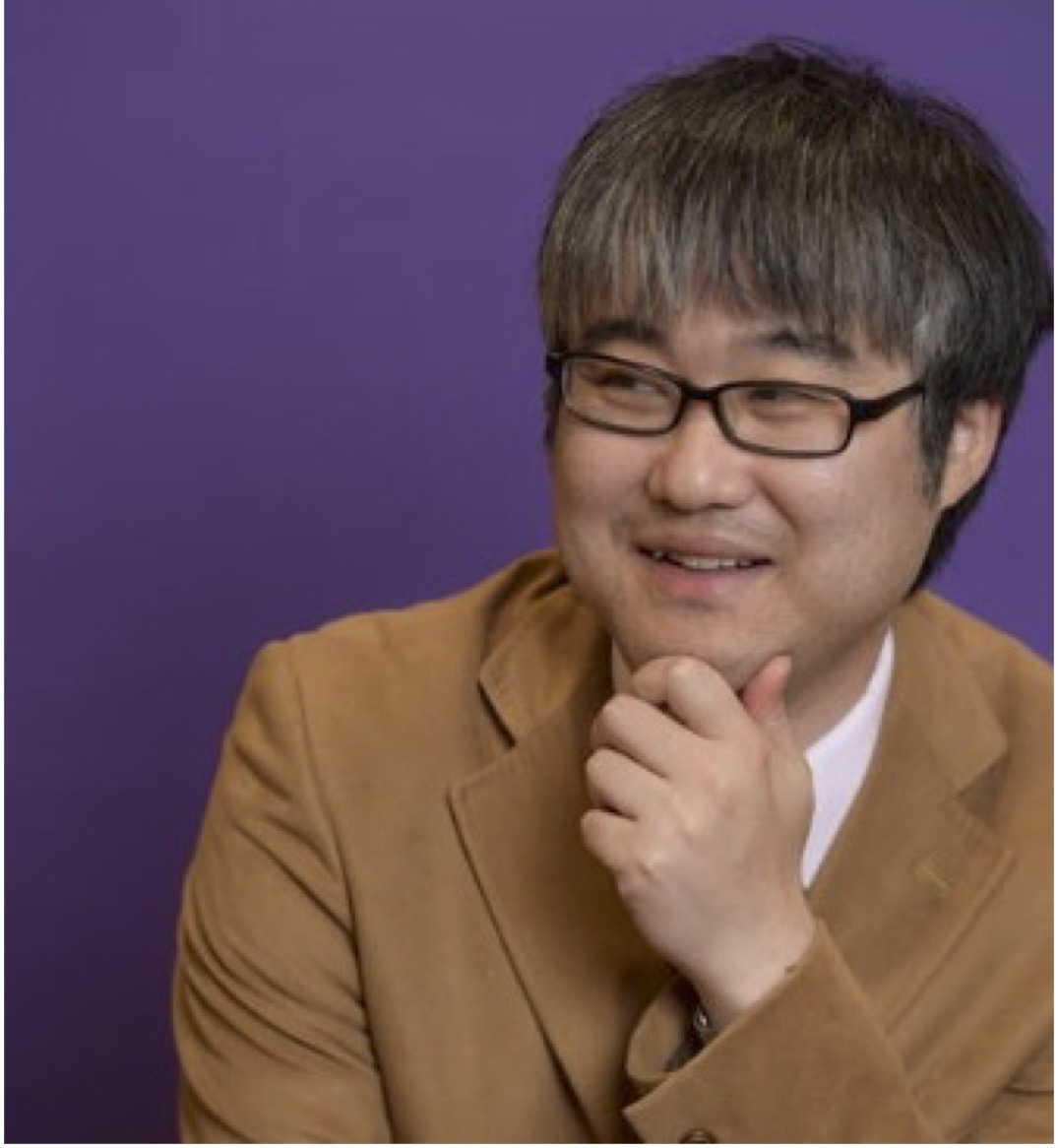
Yudai Fujita works for a major international software company in Tokyo, focusing on gender equality and diversity in his role for the organization. His role requires frequent use of English, which he has acquired through continuous study and short-term language courses in the Philippines after graduating from Hirosaki University. The company’s culture, characterized by direct and clear communication, poses more challenges than just a potential language barrier. His English proficiency (TOEIC score of 880) was crucial in securing his current position. He often reads and reviews English manuals, participates in global meetings, and attends off-site events in countries like France, Ireland, and the USA, which have broadened his international perspective.
Yudai’s passion for singing also helps him connect with colleagues from diverse backgrounds. He is currently enrolled in an English-coaching program, where he dedicates three hours a day to studying the language. This rigorous routine, combined with his professional environment, keeps him motivated. Social networking also plays a significant role in his life, allowing him to interact with people globally and share his musical interests. Reflecting on his university days, Yudai regrets not utilizing the EL more effectively. He believes that early exposure to structured study methods and materials would have been beneficial and would be valuable for university students today. Despite primarily using Japanese now, he recognizes the value of his English skills in his career and personal growth. He encourages university students to take advantage of the resources available to them to prepare for future opportunities.
Yudai’s journey highlights the importance of continuous learning and the impact of language skills on professional and personal development. His experiences underscore the value of embracing diverse cultures and perspectives in a globalized world.
Daiki Horiuchi
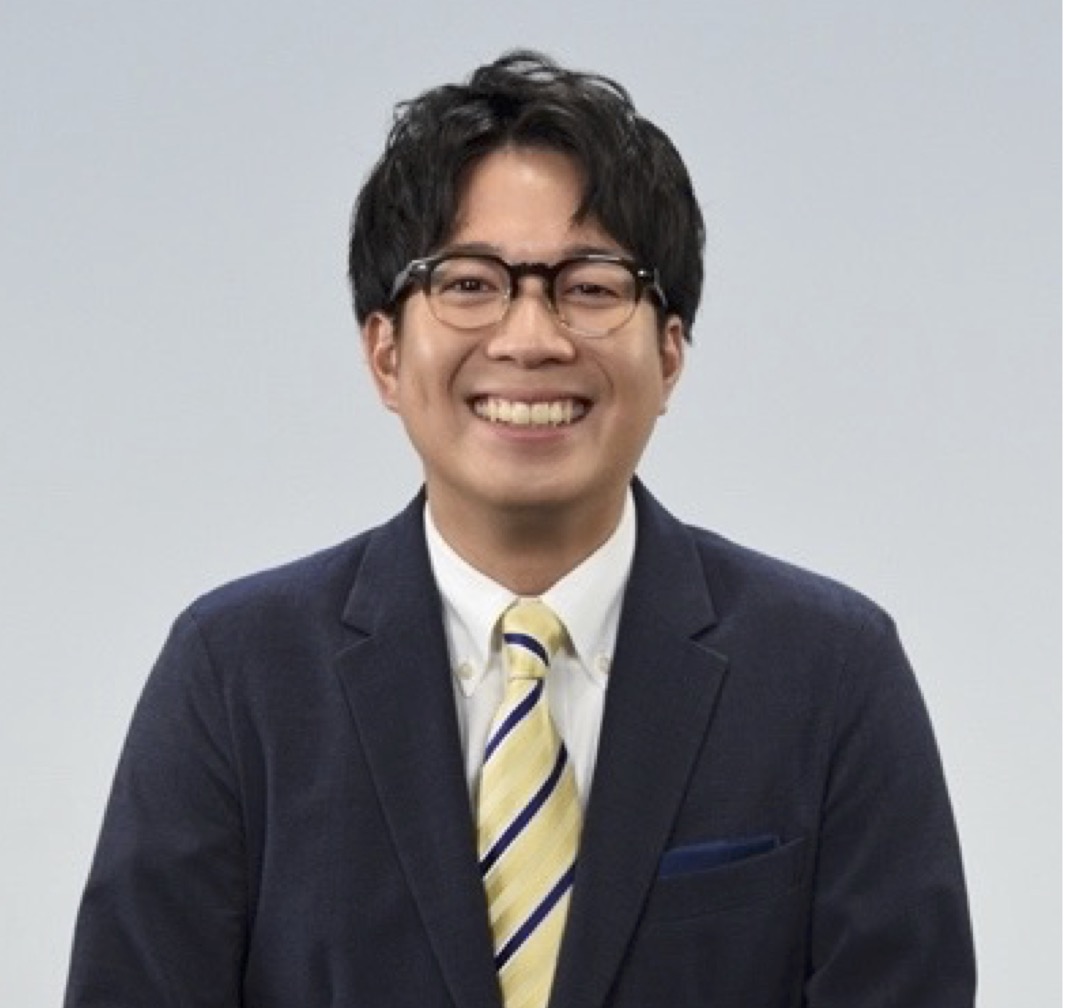
Daiki Horiuchi currently works as an announcer for Hokkaido Broadcasting Co. Ltd., a major regional broadcasting company. Daiki conducts interviews in his job as an announcer. He stated, “English is of great use to me at work. When I do TV interviews with foreign tourists, I can ask questions, listen, translate, and broadcast without the need for an interpreter. I am a reporter, so this does not happen every day; however, Sapporo has several international flights and tourists frequently come here, so I have many opportunities to interview foreign people on the news. The news department has translation apps and devices, but I can at least ask my questions directly, so I do not use any of the aids, and the interviews go relatively smoothly. I’ve fallen behind (since my days of frequently visiting the English Lounge),” he laughs. “The words do not come out easily. I often search for the words that I want to say. If I know the content of the interview to some extent beforehand, I can ask things like, ‘What brought you to Hokkaido?’ or ‘How many nights are you staying?’ or ‘What is your budget like?’… these sort of questions.” He then adds, “I think the most common place I use English for news coverage is at the airport. I sometimes go to tourist sights, too, such as Otaru, Tanuki Koji Street, and Odori Park in Sapporo, because I find many visitors there. I do these types of interviews once or twice a year. With native speakers, it is not easy to follow the conversation because they are fluent,” he laughs, “but with Asian speakers – Koreans, Chinese from Hong Kong, Filipinos, Taiwanese, it’s easier for us to talk with each other even if we are not that fluent. Of course, if you cannot understand, you cannot continue the conversation.”
About five years ago, Daiki joined a government-sponsored training program in the US for journalists, organized by a US company. This program brought together journalists, local councilors, and others from Japan for a week-long visit. A senior colleague, who is fluent in English, connected Daiki with the consulate and recommended him for this opportunity because he had expressed an interest in reporting in English. During the trip, they attended lectures at Georgetown University on American politics, international relations, and the differences between the Republican and Democratic parties. They also visited key political sites like the Capitol, Congress, and the White House and toured local media outlets. He was the youngest participant and the only one from Hokkaido. He still keeps in touch with the others from this program.
He said, “on a personal level, speaking English, even at a basic conversational level, has been beneficial. It helps in making connections with people who don’t speak Japanese. Although I am not as fluent as I was during my university days, I want to revisit my studies in meteorology and English. These subjects are part of my identity, and I aim to use them to communicate about climate change to a broader audience in the future.” His career path seems like it will continue to evolve in the future.
Reflections
In these interviews, I hoped to discover what these former students gained from frequently using the SALC while studying at university by listening to them describe their lives and careers now. Can a facility like a SALC, which aims to provide students with practical English skills, help them in their future careers and social paths in life? In what ways will these language skills be used after they graduate? These three students show how English is still a part of their lives, though not always holding a central place; they all still use the language to some degree at work, when traveling, or when socializing. The English Lounge played some role in developing their confidence and competence in using the language in natural settings; this, in turn, might have been a small advantage in helping them find and do their current jobs or even in developing an English-speaking identity. As an educator at a SALC, it has been a positive experience to teach, interact with, and learn from the many students who have passed through the English Lounge doors, and it is always rewarding to reconnect with those who have graduated and are now trying to achieve their goals in life.
 SiSAL Journal