
Şadıman Hunutlu, Atatürk University, Turkey. https://orcid.org/0000-0002-5551-7782
Hunutlu, Ş. (2023). Self-regulation strategies in online EFL/ESL learning: A systematic review.Studies in Self-Access Learning Journal, 14(2), 136–166. https://doi.org/10.37237/140203
Abstract
Online learning environments contain many of the variables of face-to-face learning environments. However, the inability to be in the same physical environment may cause problems due to the student’s self-management of the process. At this point, self-regulation strategies (hereafter, SRS), also used in face-to-face learning, are essential in improving the process. This study (n=24) aims to present a broad perspective of the studies based on students’ SRS by focusing on online EFL/ESL learning research articles published in the last five (2018-2022) years. The studies determined by a search string and eligibility criteria were included in this systematic review using the PRISMA coding scheme guidelines and MAXQDA was employed for content analysis. 12 strategies were identified (self-evaluation, goal setting, time management, help-seeking, task strategy, environmental structuring, self-efficacy, strategic planning, self-observation/monitoring, self-satisfaction, achievement motivation, effort regulation/persistence) and 15 key attributes were found to support the student’s use of SRS in online language learning environments (motivation, interaction-feedback, metacognition, use of digital tools, pedagogical support, autonomous learning, good learning experience, positive belief, the reflection of the process, self-efficacy, authenticity, scaffolding, cultural interest, critical thinking, the flexibility of time). This study can serve as a guide when designing online environments for self-regulated language learning.
Keywords: Online Language Learning, Self-Regulation Strategy, Systematic Review
Technology-based practices in education are constantly increasing, as technology is in every part of our lives. It allows teachers and students to customize the learning process to meet their needs (Ratheeswari, 2018). In order to expose students to target language activities more, particularly to improve the four skills (reading, writing, listening, and speaking) essential in language education, the use of digital language applications and web 2.0 tools has expanded. In recent years, the integration of technology into language teaching has changed dimensions due to the worldwide epidemic, and language teaching environments have become entirely online. In other words, technology is no longer a part of language teaching; it has become the teaching itself when necessary. Although online learning environments have been created mainly during the pandemic, teaching environments can be maintained online as necessary for the age. Especially student-centered online education practices will become widespread in the future (Moise et al., 2021).
Many factors affect the online learning environment, and one of the most important factors is that the students are alone in front of the screen and must control and direct the learning process themselves. At this point, their self-regulation strategies determine the direction in which the process will proceed (Zimmerman & Schunk, 2001), and these strategies originate from their social-cognitive perspective (Bandura, 1977). Considering the concept of self-regulation, some online learning environments allow the improvement of self-regulation strategies (Tian et al., 2022; Viriya, 2022), and sometimes self-regulation strategies contribute to the online learning process (Al-Hawamleh et al., 2022; Karacan et al., 2022). These two situations that support each other are expected to contribute positively to the student’s learning process.
Regarding the studies in the field, it is seen that the number of studies on improving online education environments in the last five years, in which the transition to online education has accelerated, has been increasing faster than in previous years. Many studies examine online language education and the factors affecting this process (e.g., Maican & Cocoradă, 2021; Meşe & Sevilen, 2021), especially due to the Covid-19 pandemic, which accelerated this transition. In the self-regulation studies conducted in online language learning environments, different variables were examined (Karacan et al., 2022; Wang & Zhan, 2020; Yossatorn et al., 2022), and different implementations were made with varying age groups (Al-Hawamleh et al., 2022; Li et al., 2022; Meşe & Mede, 2022).
Literature Review
Self-regulation is a self-directed procedure in which students convert their mental faculties into academic talents. Self-regulation comprises self-generated ideas, emotions, and actions that achieve objectives (Zimmerman, 2000). Students join the learning process proactively. These proactive students are conscious of their strengths and weaknesses, and their strategies guide them to reach solutions. They can monitor their behavior and self-reflect to improve their effectiveness in accomplishing their goals (Pintrich, 2000). Increased effectiveness provides them with self-satisfaction and motivation to develop their learning motivation. Zimmerman (2000) stated that the learners using self-regulation strategies, knowing how to regulate the learning process, differ from those who do not know how to intervene in the process at critical times, and they manage the process in their favor.
Students select specific skills to adapt to each learning task during self-regulated learning. Those skills are goal setting, strategy development to reach goals, monitoring own performance to identify progress, reconstructing the physical and social environments to serve their objectives, management of time, self-evaluation of own methods, determining the cause of the results, and adjusting future methods. These key skills are generally accepted as the determiners of the learning level of the students, and these key skills constitute self-regulatory processes (Schunk & Zimmerman, 1998).
Structure and Function of Self-Regulatory Processes
Over time, numerous self-regulation models have been put forth (Pintrich, 2000; Zimmerman, 2000). The forethought, performance, and self-reflection phases are the three cyclical steps that constitute Zimmerman’s model of the self-regulatory processes. Before each learning attempt, some processes and beliefs arise in the foresight phase; during learning, some processes appear in the performance phase; and following each learning endeavor, some processes occur in the self-reflection phase. Self-regulation includes three interdependent phases which have different classes within themselves. The classes can interact with each other. Each stage is essential for the students. The students cyclically reshape these stages until they achieve their learning goals (Oxford, 2017). The self-regulated learning process can be described as a dynamic, multidimensional construct that considers aspects from the cognitive, metacognitive, motivational, behavioral, and environmental domains (Dörnyei, 2005; Zimmerman, 2008).
Zhu et al. (2020) developed a new self-regulation model based on the online learning context, especially considering Massive Open Online Courses (MOOCs). In this model, students use three main strategies presented in Figure 1 in the online learning process.
Figure 1
Online Self-Regulation Learning Strategies (Zhu et al., 2020)
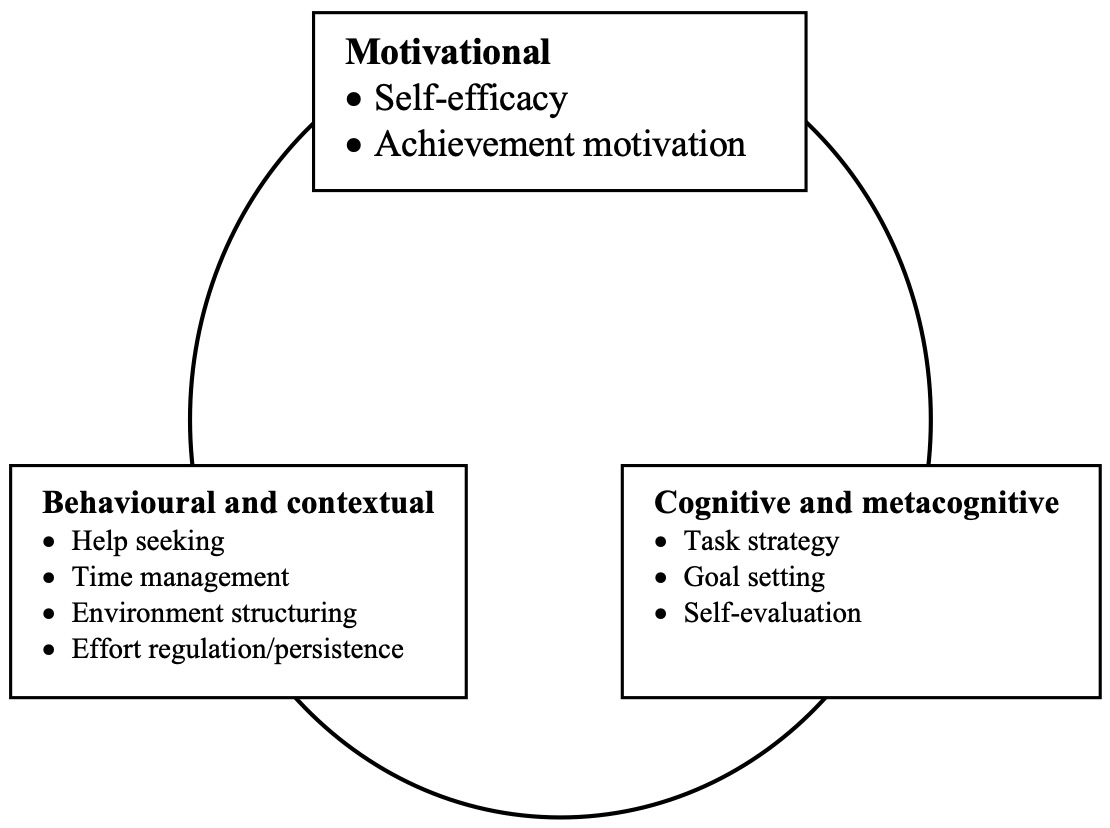
The students employ motivational strategies, which include self-efficacy and achievement motivation to identify their organizational capacity for learning activities. Students aim to reach their learning goals using the motivational regulation strategy. The processes that the student experiences in online learning, such as goal setting, note taking and revision of learning approach are called cognitive and metacognitive regulation strategies. To overcome the difficulties encountered during online learning, the student uses strategies such as help-seeking, environmental structuring, time management, and effort regulating, which are called behavioral and contextual regulation strategies (Zhu et al., 2020).
The studies revealed that self-regulation clearly indicates academic performance (Hilden & Pressley, 2007; Zimmerman & Schunk, 2011). However, the studies on self-regulation in online learning environments stated that strategies might differ from those used in traditional classroom-based learning environments (Barnard et al., 2009; Zheng et al., 2018). Researchers have tried to demonstrate the connection between self-regulation and computer-based learning environments (Winters et al., 2008) or SRS used in online learning (Barnard et al., 2009). However, no studies provide an overview of the impacts of SRS on the process of online language learning environments, even though the number of online language learning environments has increased recently. Since online language education is an inevitable reality today, examining studies on self-regulation from a broader perspective is necessary to make the process more efficient. To create online learning environments that support self-regulation and online language learning, an overview of these studies will offer the chance to disclose both the impact of self-regulation techniques on the process and the impact of the process on SRS.
This study aims to provide a broad perspective on the studies on SRS used by students in online language learning environments. Following this purpose, the research questions were as follows:
Q1: What are the descriptive details that indicate the years, countries, types, participant levels, and the focus of the studies?
Q2: Which self-regulation strategies are used in online language learning environments?
Q3: What features of online language learning environments support self-regulation?
Methodology
The research method used in this study is a systematic review that focuses on identifying, evaluating, and gathering a reasonable number of research findings to answer the research questions (Baumeister & Leary, 1997; Gough et al., 2012). The studies to be included in the systematic review were determined by having the eligibility criteria specified in the data collection process, which started with creating the search string.
Data Collection
To start the process, a list of keywords was identified to search in the databases. While determining the keywords, the words that were the focus of the study were considered. Boolean operators “AND” and “OR” were used to combine the search phrases, and the article titles, abstracts, and keywords were examined. The following keyword combination was utilized in a Boolean search considering the research’s topic, inclusion, and exclusion criteria:
“self regulat*” OR “self-regulation strateg*” OR “cognitive strateg*” OR “self-regulated online language learning” AND “Online EFL learning” OR “Online ESL” OR “Online English” OR “distance English learning” OR “distance EFL learning” OR “distance ESL learning”
In each database, the created Boolean search combination of keywords was used in this research to take the first selection step. All databases were searched without changing the Boolean search combination of keywords to avoid possible biases.
The Education Resources Information Center (ERIC), SCOPUS, and Web of Science (WOS) were included in this study as the databases for searching research articles. These three databases were chosen as the information source of this study, as they are the databases where qualified studies in the field of education are found together (Barba-Martín et al., 2020). The data were obtained from SCOPUS, ERIC, and WOS on 18th November 2022.
In addition to the keywords for the Boolean search, a series of extra inclusion and exclusion criteria identified convenient articles for incorporation in this systematic literature review. The eligibility criteria of this systematic review are listed in Table 1.
Table 1
Eligibility Criteria of the Study
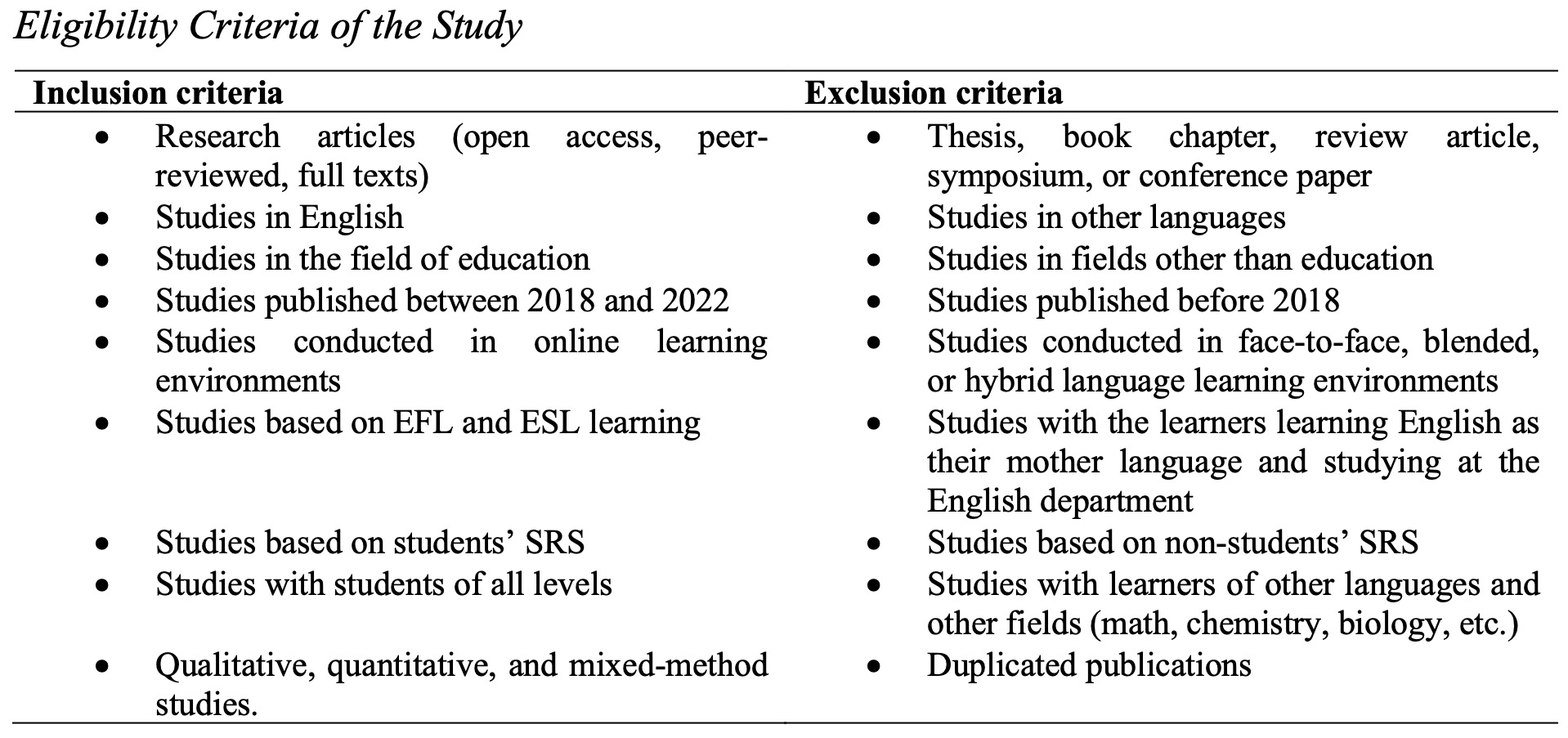
The studies carried out in the last five years (2018-2022) were included in the research since the transition to online education in recent years was faster with the effect of the Covid-19 pandemic that emerged in this process, making these years critical. A five-year process, including a short time before and after this period, when online education was widespread in the world, was determined. The effect of SRS on the process can be seen more clearly in the studies in these years. Open-access research articles were included in the study as they are easy to access and read by more readers. This way, if needed, this study can be verified more easily. The studies with all participant levels were included in the study to identify which group of students use self-regulation strategies more. Studies conducted with those who learn English as EFL or ESL were included in this systematic review because the learners who learn English as their mother language and study in the English department learn English more intensively. Thus, processes may differ from learning EFL or ESL. After getting the articles with the help of Boolean search in databases based on inclusion and exclusion criteria, they were uploaded to Zotero, a free tool to collect, organize, and cite the studies easily to check for duplication.
Procedure
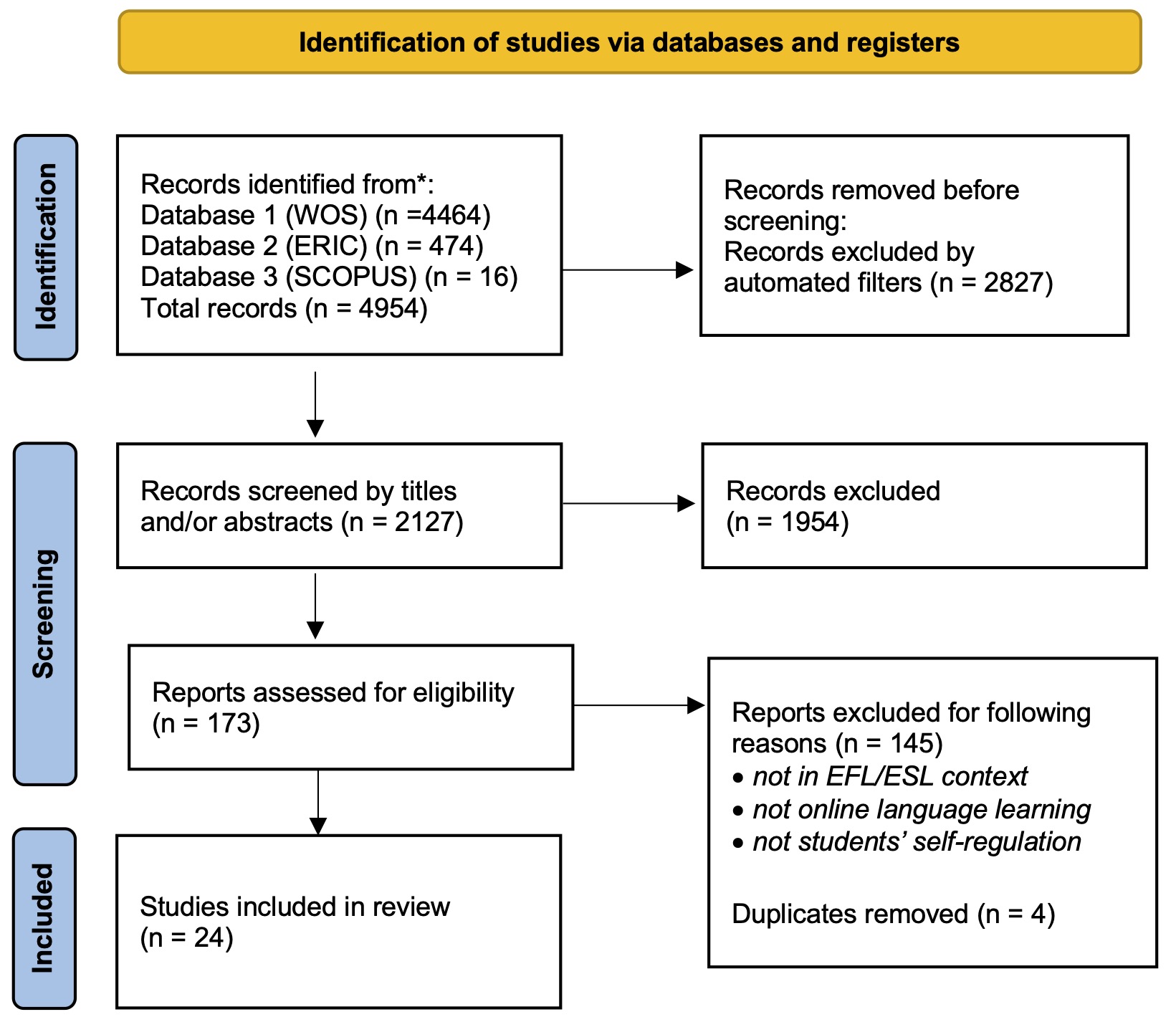
Every step was carried out meticulously to avoid risks and biases in the study. Inspired by the studies in the literature, the most suitable criteria for the research were determined, and the same steps were applied in the same order in three different databases. Initially, the field was narrowed, and a general elimination was made by choosing the year, research type, and language in all databases. The studies were eliminated with these narrowing possibilities offered by the databases, and a second elimination was made according to the excluding and including criteria with the screening method. After the summaries and general outlines of the remained studies were examined, they were checked for duplication with the help of Zotero, and the eligible studies were involved in this research.
The articles were identified in this systematic review using PRISMA coding scheme guidelines (Preferred Reporting Items for Systematic Reviews and Meta-Analyses) (Moher et al., 2009). The number of publications obtained step by step in this study is given in the flowchart in Figure 2.
Figure 2
The Flow Diagram of Identification of Articles
Data Analysis
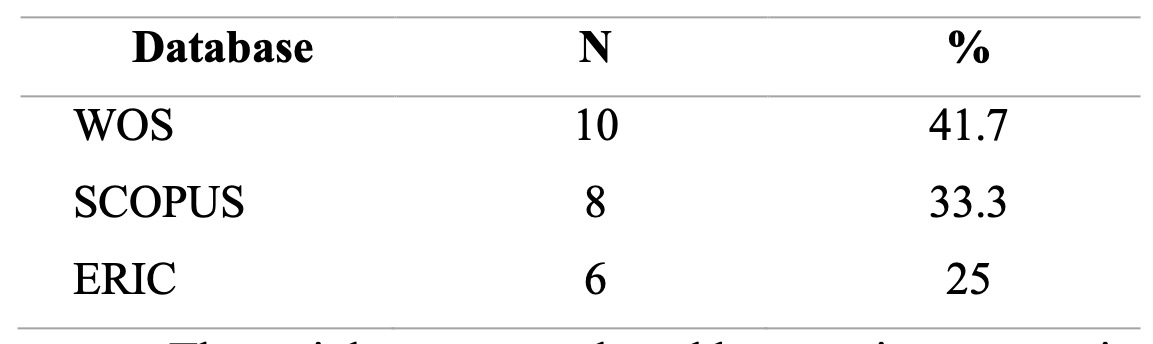
A total of 24 studies were included in this research after the elimination employed with the help of automatic filters provided by databases, keywords in Boolean strings, and inclusion and exclusion criteria. The distribution of the studies included in this study regarding the databases is presented in Table 2.
Table 2
Studies Included in Systematic Review
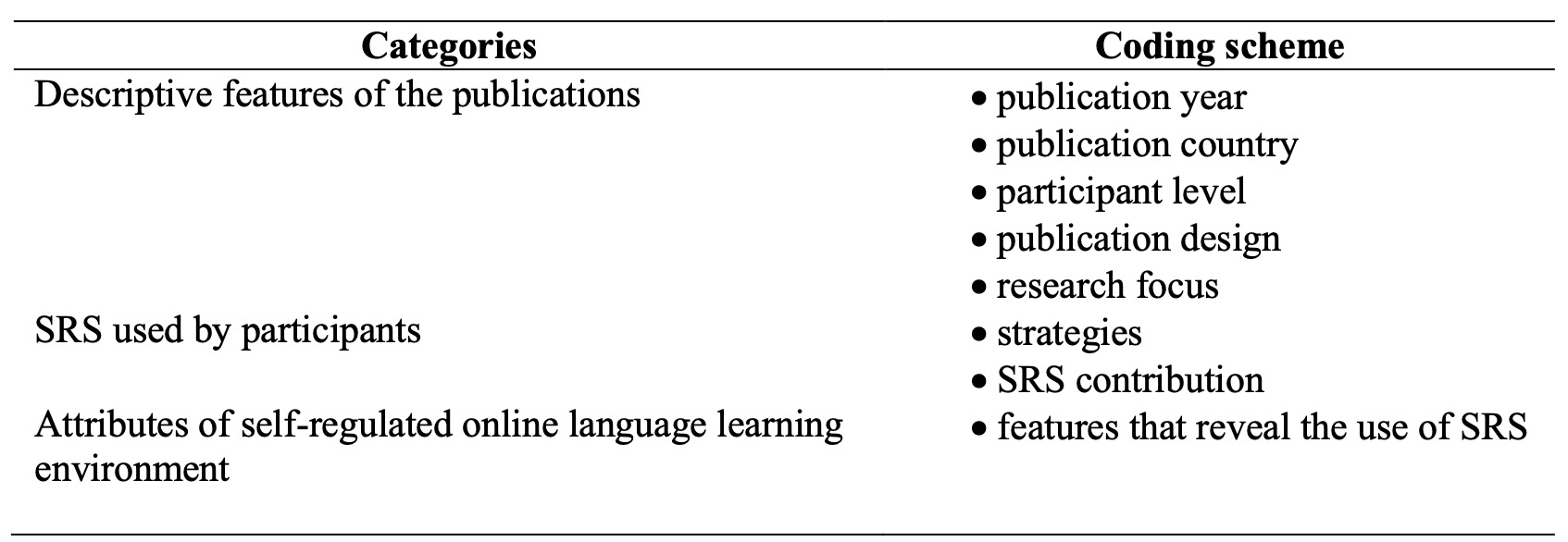
The articles were analyzed by creating categories and codes with content analysis through the MAXQDA, a qualitative data analysis program (Oliveira et al., 2015). The categories for data analysis are presented in Table 3. The findings were displayed clearly with the help of content analyses and Excel tables. (Appendix 1* provides an overview of the general traits of the studies included in this research.)
Table 3
The Categories for Data Analysis
Findings and Discussion
In this systematic review, which was conducted to offer a thorough overview of research on SRS used by students in online language learning environments, the findings were examined in three categories. Each category answers the research questions of this study. The first category contains the general descriptive features of the studies; in the second category, there are the self-regulation strategies used by the students in the studies; the third category contains the characteristics of the self-regulated online language learning environments examined. The findings are discussed in light of the studies in the literature.
Descriptive Features of the Publications
Distribution of the Studies by Years
Considering the years in which the articles were published, it can be stated that the studies in the last five years were mainly carried out in 2021 (n= 9, 37.5%; e.g., Puntularb et al., 2021; Zhou et al., 2021) and 2022 (n= 8, 37.5%; e.g., Tian et al., 2022) and there was no study in 2019. The distribution of the studies in the last five years by years is shown in Figure 3.
Figure 3
The Distribution of the Studies by Years (Last 5 Years) (N=24)
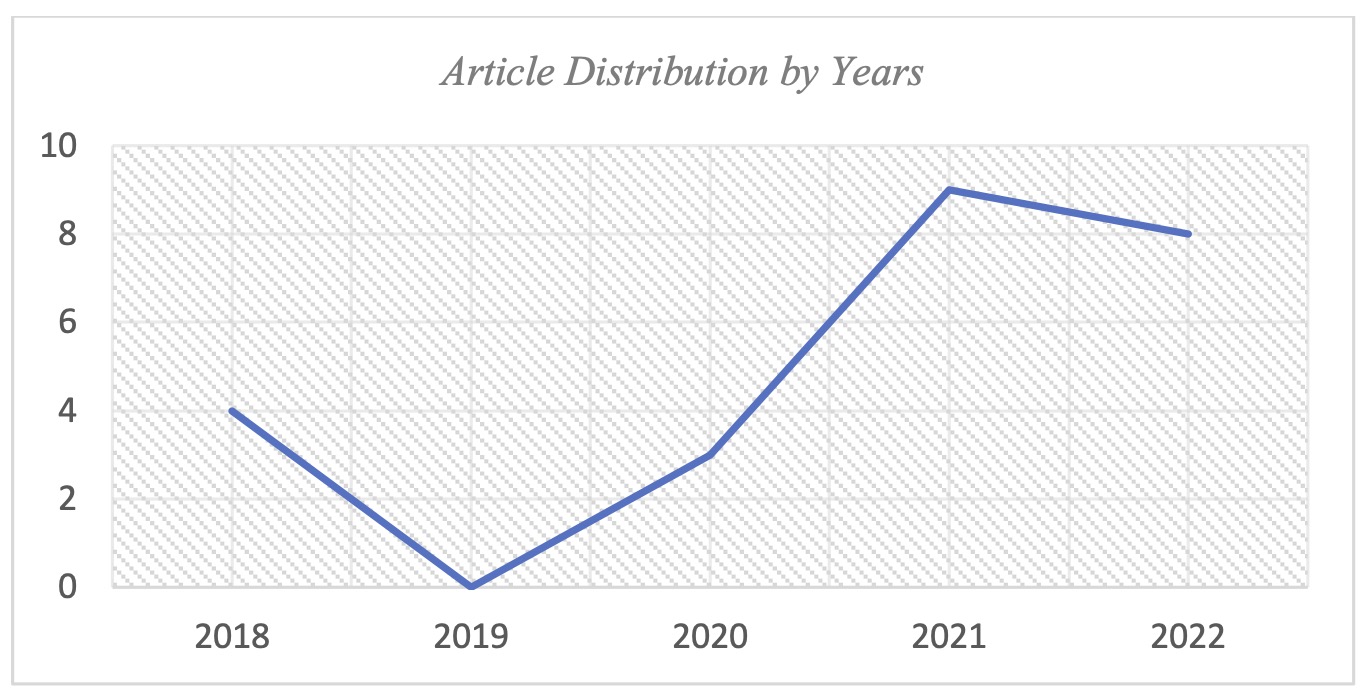
The distribution of studies conducted in the last five years shows a sudden increase in the number of studies in 2021 due to the transition to the compulsory online education process with the Covid-19 pandemic. After this date, the number of studies on this subject was relatively high.
Distribution of the Studies by Country
The countries where the research was conducted are those where English is taught as a foreign language. Although the majority of the studies were conducted in Asian countries (e.g., Kanoksilapatham, 2021; Wang & Zhan, 2020), it was revealed that studies have also been conducted for communities that do not speak English as a mother tongue in the United States (Kellen & Antonenko, 2018). The distribution of the studies around the world is shown in Figure 4.
Figure 4
The Distribution of the Studies Around the World (N=24)
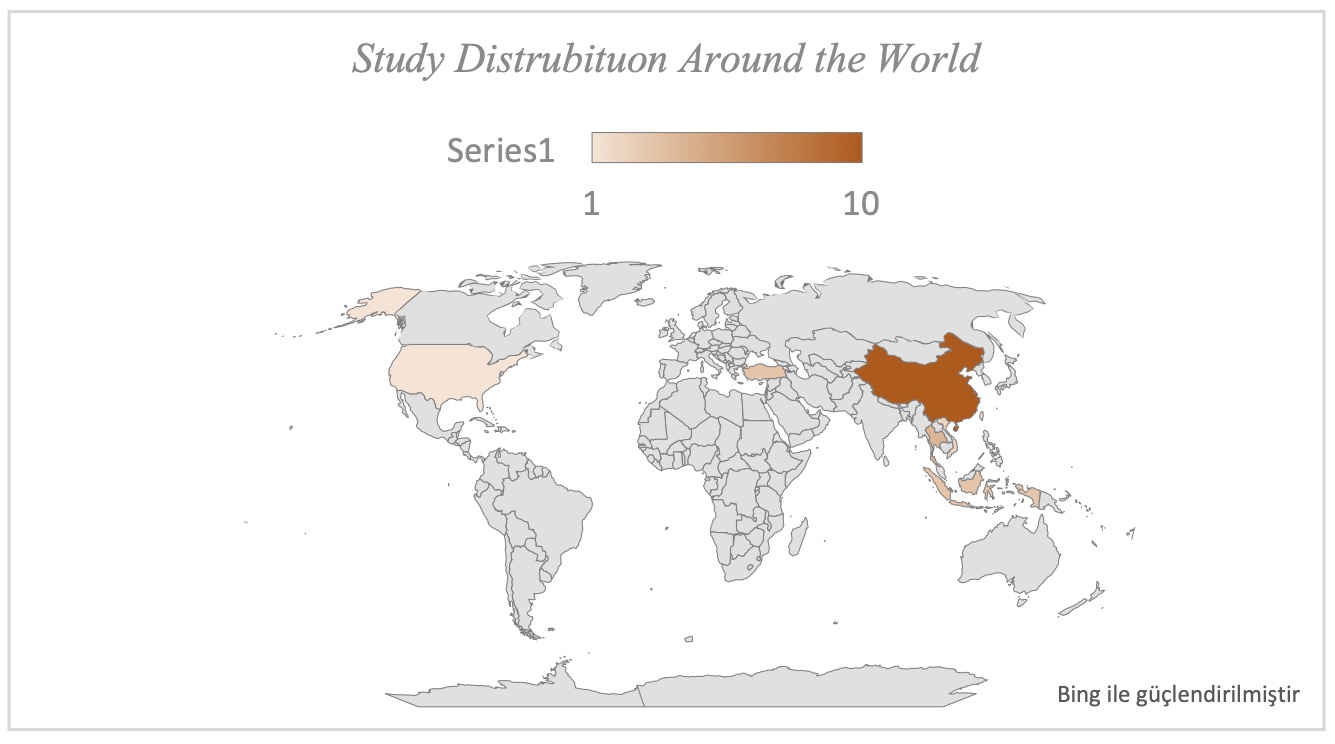
Most of the research was conducted in China (n=10, 41.7%; e.g., Xu, 2021; Zheng et al., 2018) and in Thailand (n=4, 16.7%; e.g., Viriya, 2022; Yossatorn et al., 2022). The study density can be seen in Figure 5.
Figure 5
The Distribution of Studies by Country
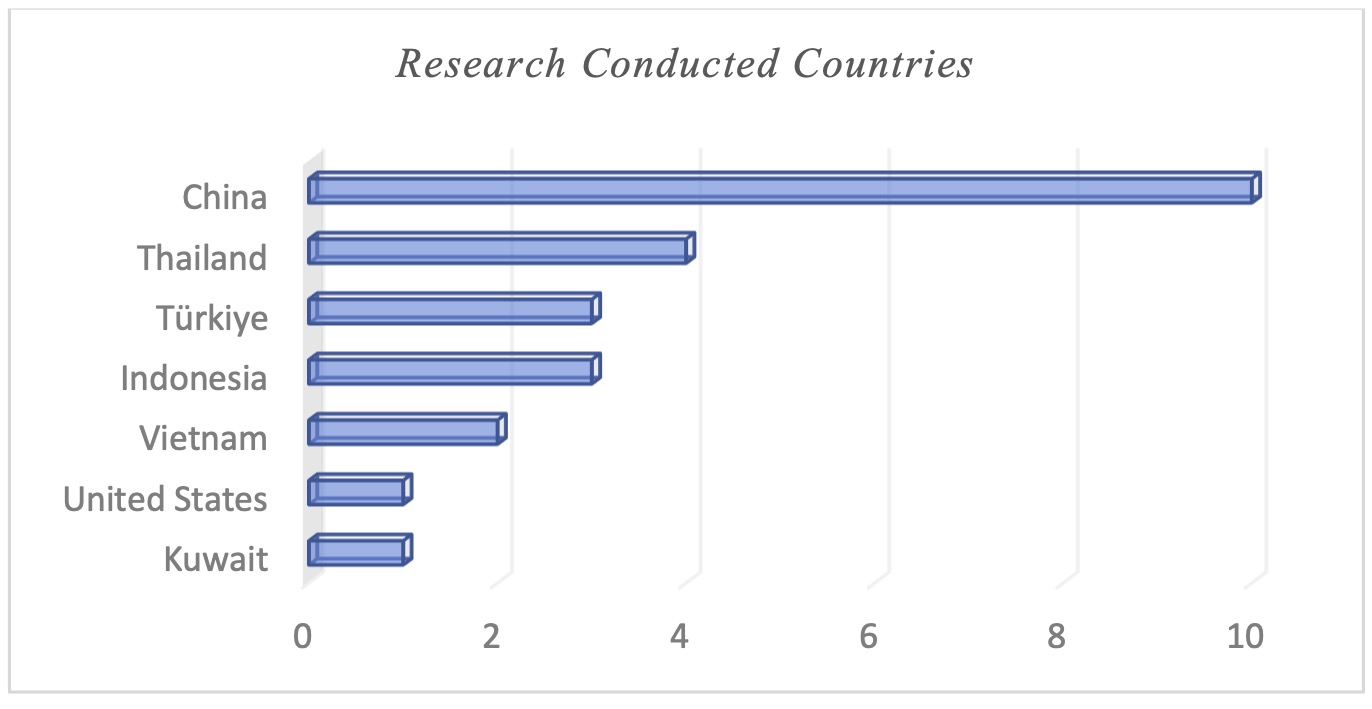
The fact that most of the studies were carried out in Asian countries may be because, with the start of the Covid-19 pandemic in China, one of the Asian countries, the transition from traditional classroom instruction to online instruction was earlier than in many other countries (Tang et al., 2021). Online classes are seen as an alternative solution for conducting courses in universities in Asian countries (Das & Meredith, 2021). Thus, more studies on online education may have been conducted.
Participant Levels of the Studies
The participants of the studies were mainly at the undergraduate level (n=22, 91.6%; e.g., Yossatorn et al., 2022; Yundayani et al., 2021). The participants of one of the remaining two studies were high school students (n=1, 4.2%; Al-Hawamleh et al., 2022), and the other participant group was primary school students (n=1, 4.2%; Li et al., 2022). The participant-level distribution of the studies is shown in Figure 6.
Figure 6
The Participant-Level Distribution of the Studies
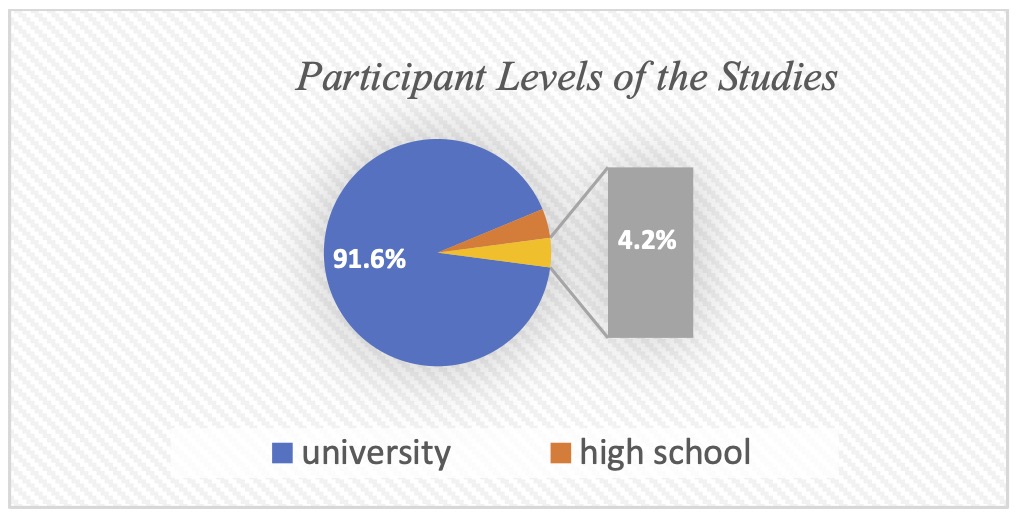
Since university students spend more time with computers due to their age, they are more likely to adapt to online learning environments and use self-regulation strategies (Simanjuntak, 2018; Yot-Domínguez & Marcelo, 2017). For this reason, university students may have been determined as the participant group in most of the studies.
Design of the Studies
Most studies were conducted with mixed methods design (n=13, 54.2%; e.g., Tian et al., 2022). 10 (41.7%) of them were conducted quantitatively (e.g., Hung, 2022; Tao et al., 2020), and one of them was performed with a qualitative research design (4.1%; Yundayani et al., 2021). The study design distribution is shown in Figure 7.
Figure 7
The Design of the Studies
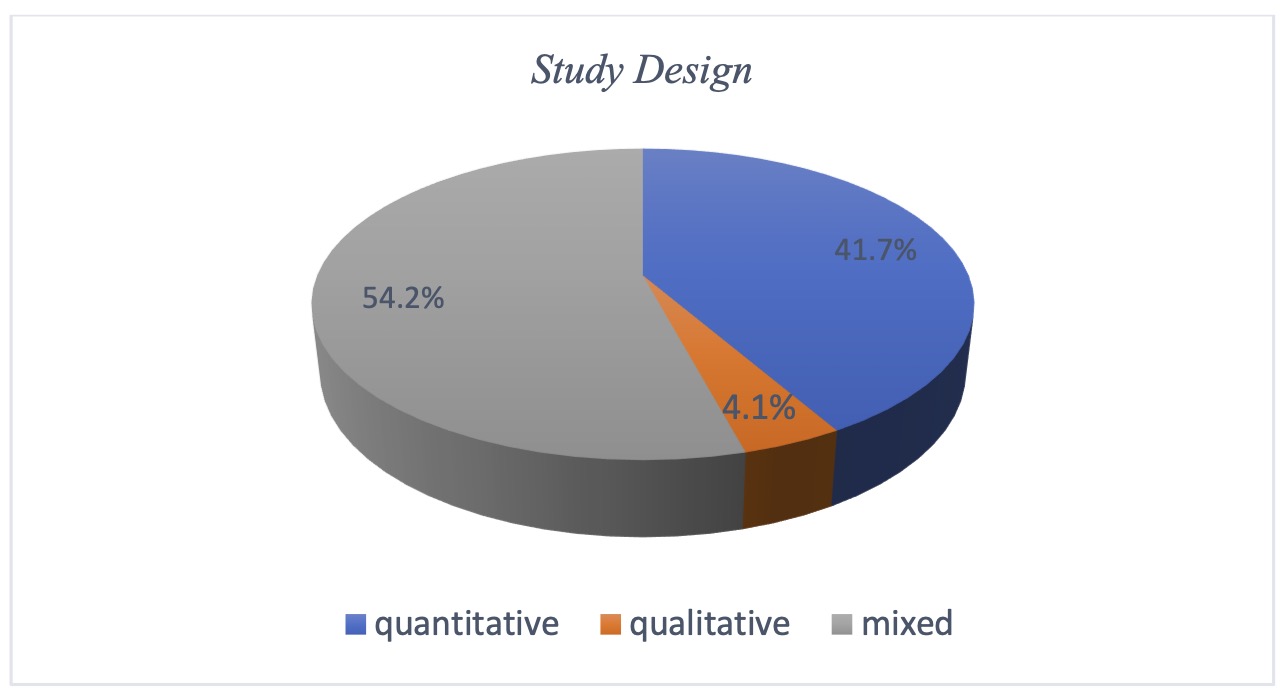
In the literature, Kermarrec et al. (2022) revealed in their review study that a mixed-method design is suitable for self-regulation studies investigating how students learn what they learn. The fact that most of the studies in this study were conducted with mixed methods supports this finding. In addition, Sánchez-Gómez et al. (2017) stated that mixed-method studies provide a broad perspective on the subject and increase the validity and reliability of the data. This may be another reason explaining the situation. The highest number of studies after the mixed method in this study belonged to quantitative design studies. Large amounts of data are required to obtain large-scale research results in education, so using quantitative data is common (Oliveira et al., 2019).
Research Focus of The Studies
Each of the studies dealt with the SRS used by students in the online language learning process in a different context. While some of the studies were focused on different language skills such as speaking (e.g., Al-Hawamleh et al., 2022), reading (e.g., Setyosari et al., 2021), writing (e.g., Xu, 2021), listening and speaking (Zheng et al., 2018), four skills (e.g., Li et al., 2022), some were based on general language achievement (exam grades, language learning motivation, etc.) (Karacan et al., 2022). When the foci of the studies were classified, a graphic, as in Figure 8 emerges.
Figure 8
Foci of the Research (N=24)
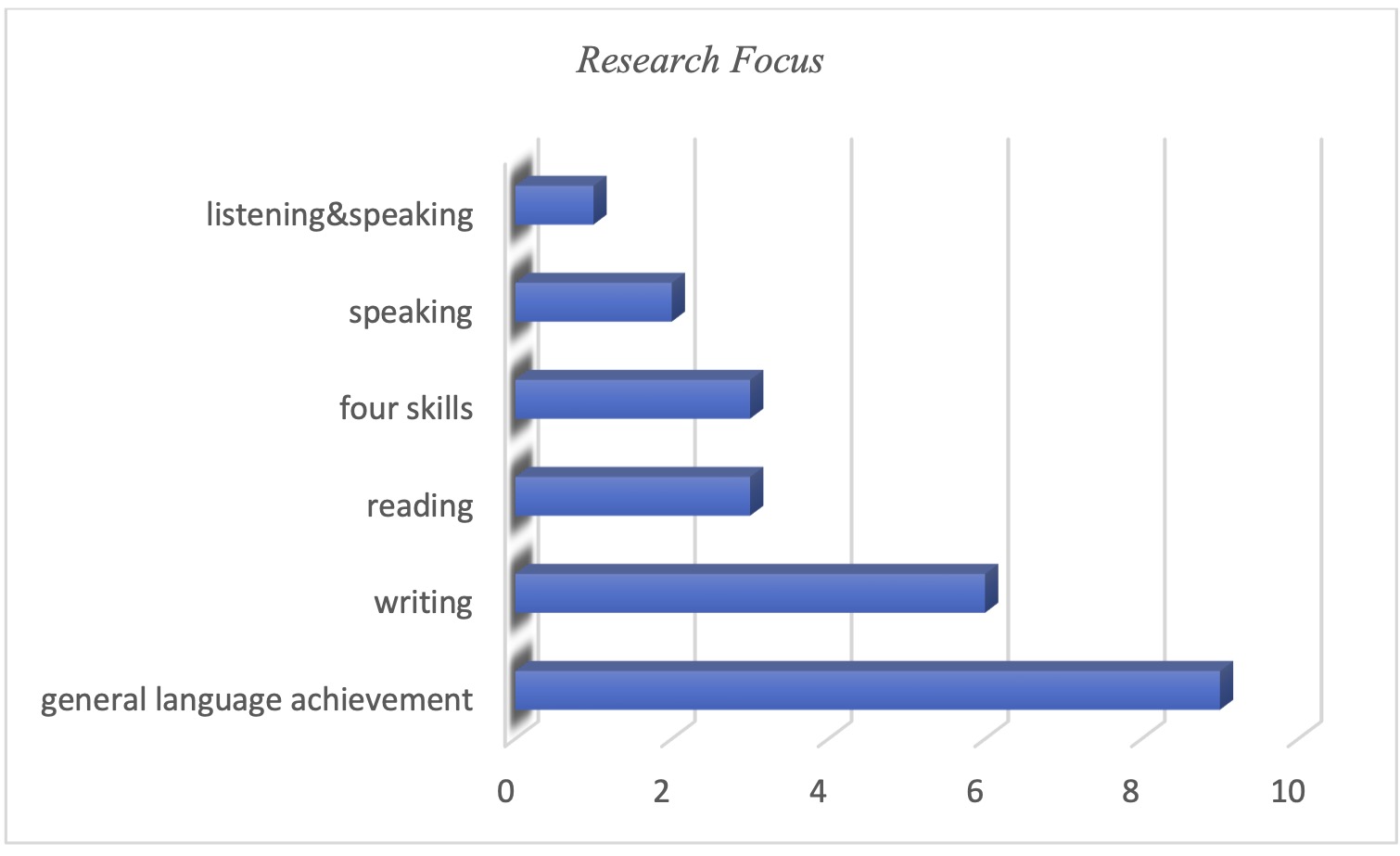
While nine (37.5%) of the studies focused on general language achievement and self-regulation, the rest focused on language skills and self-regulation. When skill-based studies were taken into account, it was seen that more studies were carried out on writing skills (n=6, 25%), and the number of studies related to listening and speaking was only one (4.2%). However, the number of studies focusing on all four skills rather than a single skill (n=3, 12.5%) is substantial.
General language achievement was examined from different perspectives in different studies included in this study. Some of the studies stated that language success increased with the increase in motivation (e.g., Yossatorn et al., 2022), and others revealed that as the students’ satisfaction increased, they improved in language learning (Pham & Nguyen, 2021). In addition, some studies examined students’ GPA degrees for language achievement (e.g., Hung, 2022).
Self-Regulation Strategies Used by Participants
Within the scope of the second research question, the most used SRS by participant students in online English learning studies conducted in the last five years were examined. The strategies used in the studies are included in different models of self-regulation strategies. For this reason, they were included in this study with the names used in each study, not in the form of subtitles of any model. The findings are given in Figure 9 based on the rate of SRS usage.
Figure 9
Self-Regulation Strategies Used by the Participants

As can be seen from the graph, the most used self-regulation strategies were goal setting (n=13; e.g., Li et al., 2020; Meşe & Mede, 2022) and self-evaluation (n=13; e.g., Li et al., 2022; Viriya, 2022), and the least used strategy was effort regulation (n=2). These findings support the findings of review studies on similar subjects in the literature by Eggers et al. (2021) and Lai and Hwang (2021). It can be said that the most used strategies are interrelated strategies. Because students need to evaluate themselves to organize their learning process, and thus, they can set clear goals about the process to improve their language learning capability (Kirmizi, 2014; Morrison, 2011).
Time management is a strategy for students to manage the online learning process effectively, and it emerged as a widely used strategy in a significant portion of the studies (n=11; e.g., Mahmud & German, 2021; Wang & Zhan, 2020). In addition, when students encounter learning difficulties, they employ a help-seeking strategy that guides them to seek proper assistance. The findings of the study revealed that the students who were successful in language learning used the help-seeking strategy adequately (n=9; e.g., Tao et al., 2020; Viriya, 2022). Environmental structuring, described as the arrangement of a student’s study space to make the most productive environment possible, emerged as one of the strategies widely used during online language learning (n= 7; e.g., Kulusakli, 2022; Tao et al., 2020). Task strategy aiming to adapt the necessary strategies to complete a task emerged as a strategy used in different studies for online English learning (n=7; e.g., Kellen & Antonenko, 2018; Zheng et al., 2018). Students need to observe what they do during the learning process to evaluate themselves. The studies showed that the students frequently applied the self-observation strategy in online language learning (n=6; e.g., Hung, 2022; Tian et al., 2022). Students also applied strategic planning, which is the planning of the process that they go through to reach their goals. One of the reasons why the strategic planning strategy was used extensively (n=6) in studies is that it works in parallel with goal setting (e.g., Al-Hawamleh et al., 2022; Xu, 2021). Another essential strategy for students was self-efficacy reflecting students’ belief in the capability to achieve. Students with this belief and motivational judgment can have a more successful learning process. It was discovered that using this strategy was also beneficial in online language learning environments (n=6; e.g., Li et al., 2022; Pham & Nguyen, 2021). Other strategies such as self-satisfaction (n=5; e.g., Al-Hawamleh et al., 2022; Yundayani et al., 2021), achievement motivation (n=3; e.g., Li et al., 2022; Xu, 2021), and effort regulation (n=2; e.g., Li et al., 2022) were also noteworthy as the strategies used by the students in the studies.
To summarize, students applied a significant number of strategies during online language learning, and overall success rates increased. Regarding the success criteria of the studies, it was revealed that the use of SRS in 23 (96%) studies contributed positively to the achievement of the students (e.g., Kanoksilapatham, 2021; Kellen & Antonenko, 2018; Meşe & Mede, 2022). It was revealed by Pham and Nguyen (2021) that self-regulation strategies increased student satisfaction. Li et al. (2022) and Su et al. (2018) stated that student collaboration was raised with the help of these strategies. In only one study (4%) by Hung (2022), it was noted that there was no significant change in the success of students who used self-regulation strategies. The study also emphasized that the reason for such a finding could be the participants who were included in that study. Although the effects of SRS on language achievement were examined in different ways in different studies, it was revealed that it positively contributed to online language learning. The direction of SRS’s contribution to online language learning in the studies is presented in Figure 10.
Figure 10
The Contribution of SRS to Language Achievement

This study supports the findings of previous review studies on self-regulation implementations in terms of revealing the positive effect of SRS use on success (2022; Bai et al., Delen & Liew, 2016; Eggers et al., 2021; Elhusseini et al., 2022; Lai & Hwang, 2021; Rollins et al., 2022; Van Laer & Elen, 2017).
Attributes of Self-Regulated Language Learning Environment
Considering the third research question, the characteristics of learning environments that encourage students to use SRS in online English learning environments were explored. Some of these features were used solely in the same study, and others were frequently used in different studies. These features are presented in Figure 11 based on the frequency of use.
Figure 11
Attributes of Self-Regulated Language Learning Environment
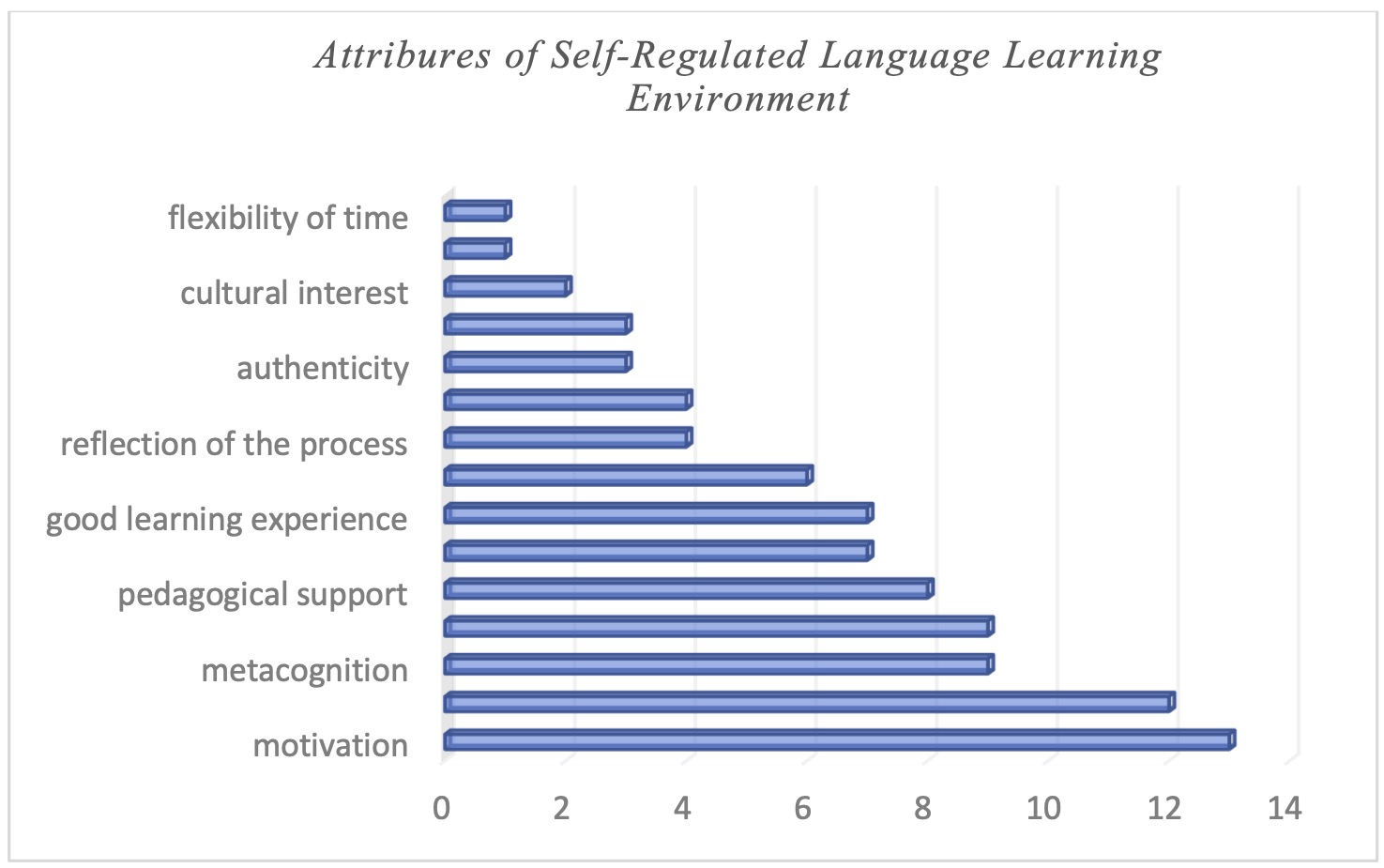
Learning environments are generally created by teachers, and some teacher behaviors in these environments encourage students to use SRS and regulate the process. For example, in learning environments where students interact with their friends or teachers, they can receive feedback on the process. At that point, interaction and feedback appear as the required features to apply regulation strategies (n=12; e.g., Al-Hawamleh et al., 2022; Yossatorn et al., 2022). In addition, the reflection on the process shows the kind of strategy the students need to organize the process, and in that way, they can use appropriate strategies (n=4; e.g., Al-Hawamleh et al., 2022; Meşe & Mede, 2022). At the same time, in learning environments where teachers offer pedagogical support (n=8; e.g., Viriya, 2022), and scaffolding (n=3; e.g., Kellen & Antonenko, 2018; Li et al., 2022), students are more inclined to use SRS.
Some studies revealed that the use of materials and time in the organization of learning environments are among the factors affecting the use of SRS. Technological applications that students use make a positive contribution to the process. Nine of the studies in which different digital tools were adapted to online language learning environments reported that these tools lead to the use of SRS (e.g., Kanoksilapatham, 2021; Meşe & Mede, 2022; Su et al., 2018). If the digital tool shows the students’ progress, they use this as a strategy (Zhai et al., 2018). Some studies revealed that students use SRS to improve the process in learning environments where authentic learning materials are used (n=3; e.g., Viriya, 2022; Yundayani et al., 2021) and they tend to use SRS when they have time flexibility (n=1; Zhou et al., 2021).
If learning environments support some student characteristics, the rate of using SRS increases. Some studies revealed that learning environments requiring metacognition, where students can question the skills they can use to improve their learning support using SRS in language learning (n=9; e.g., Kellen & Antonenko, 2018; Xu, 2021). In learning environments where the students are motivated and willingly participate in the process, being aware of their skills develops learner autonomy. The autonomous learning environment emerged in seven studies as one of the environments in which the students use SRS (e.g., Kulusakli, 2022; Wang & Zhan, 2020). At the same time, students with good online learning experiences can plan the process better by using SRS (n= 7; e.g., Kanoksilapatham, 2021; Zheng et al., 2018). Six studies suggested that if the students have a positive belief in language learning, they use strategies to regulate and improve the process (e.g., Puntularb et al., 2021; Zhou et al., 2021). Self-efficacy referring to the student’s beliefs and attitudes toward their capability is one of the features that students need to regulate the process, and when the learning environment is organized to support their self-efficacy, the probability of including self-regulation strategies in the process increases (n=4; e.g., Su et al., 2018; Wang & Zhan, 2020). Students’ curiosity about the characteristics of the cultures with which they can associate the language they learn, increase their desire to learn the language. Therefore, cultural interest emerged as another feature supporting the use of SRS (n=2; Wang & Zhan, 2020; Zheng et al., 2018). In addition, it was seen that students’ rate of using SRS increased in learning environments where students think critically (n=1; Zhai et al., 2018).
Thirteen studies in this study indicated that students frequently employ SRS if motivated in online language learning environments. (e.g., Li et al., 2022; Tao et al., 2020). Therefore, it can be observed that the use of SRS is more intense in environments where motivation is created. Due to the emergence of motivation as the most emphasized feature in the studies, the relationship between motivation and other attributes was also examined. It was revealed that stronger learner beliefs of self-efficacy promote motivation to learn English (Wang & Zhan, 2020). Students with positive beliefs about their abilities and language learning are more motivated to learn English and use strategies to have better learning experiences (Yossatorn et al., 2022). Classroom interaction and feedback motivate students as they provide information about the learning process (Xu, 2021), and gamification promotes motivation for learners (Li et al., 2022). In short, the aforementioned attributes encourage using SRS to guide students’ learning process, as they affect each other positively.
The findings on the attributes of language learning environments support the findings of the systematic review conducted by Laer and Elen (2017) and additionally reveal new features of learning environments that encourage SRS use.
When comparing the literature on SRS in traditional and online learning environments based on the attributes, some of the features that need to be developed to increase the use of SRS are common. Motivation (Yau, 2022), classroom interaction (Binns et al., 2019), and self-efficacy (Özer & Akçayoğlu, 2021; Yabukoshi, 2021) highlighted in this review are included in the literature as attributes that need to be increased for the development of SRS in traditional language learning environments, either. In addition, studies emphasizing that attributes such as the use of assessment methods like reflective diaries (Alabidi et al., 2022; Balbay, 2020) and reducing foreign language anxiety (Özer & Akçayoğlu, 2021) increase the use of SRS in traditional language learning environments are also noteworthy.
Overall, the SRS that students use to improve their online language learning processes are possible in learning environments where they feel comfortable, receive feedback about the process, and have faith that they can learn a language. Since such learning environments will increase the student’s motivation and self-efficacy and reduce their anxiety rate, they will be able to manage their learning process under ideal conditions.
Conclusions
This systematic review study investigated an overview of the use of self-regulation in online language learning environments and the characteristics of learning environments supporting SRS use. To summarize the descriptive features of the publications included in this study, it is possible to say, based on the findings, that the studies were mainly carried out in Asian countries after Covid 19 pandemic, and mostly university students were included in the studies as participants. Most of the studies were carried out using a mixed methods research design, and the studies in this systematic review focused on language acquisition success, such as progress in various language skills, language motivation, student satisfaction, and language progress with the help of various digital tools.
Although the SRS used by students in the online language learning process varies, strategies such as goal setting, self-evaluation, time management, help-seeking, environmental structuring, task strategy, self-monitoring, strategic planning, and self-efficacy were the most used strategies.
Considering the characteristics of language learning environments improved by the use of self-regulation strategies, it can be said that student-centered learning environments support the use of these strategies. Practices providing student motivation, pedagogical support, feedback on the student’s learning process, interactive learning environments reflecting the process, metacognition opportunities, the use of digital tools that keep the student’s interest alive, the autonomous learning environment where students can organize their learning process, the process-related support that students can develop cultural curiosity and a positive belief about why and how they learn a language, good learning experiences guiding their future learning experiences, and self-efficacy opportunities that can reveal their strengths, scaffolding and critical thinking opportunities and offering time flexibility enable students to use self-regulation strategies and make the process more efficient.
The results of this systematic review suggest that SRS used by students during online language learning positively influences students’ language achievement and language learning process. To see this positive effect in online learning settings, it is crucial to provide features in the learning environment that positively impact the use of SRS and to create a positive online language learning atmosphere for the student.
Limitations and Implications
The findings of this study may guide educators and researchers in creating self-regulated online language learning environments. However, it is essential to be aware of some limitations. There are some drawbacks to both the described publications and the systematic literature review itself. When the studies included in the review were examined in terms of limitations, it was revealed that they have limitations such as data collection tools, limited data collection, limited study sample, research procedures, implementation inconsistencies between the experimental and control groups, and time restriction. The fact that some studies did not address the limitations can also be considered one of the weaknesses of the studies. The generalization of the findings of studies with such limitations may also be a limitation of this systematic review. In addition, the inclusion of publications from only three different databases is one of the limitations of this study. However, since these databases are both widely read and educationally significant, the publications included in the research will inspire many researchers on this subject.
This study draws a general framework by focusing on the studies that SRS accompanies online language learning. Although it reveals the most used strategies by students, the characteristics of self-regulated online language learning environments, and the general characteristics of the studies including these subjects, other variables that can affect the process should also be investigated. To develop a complete picture of self-regulated online language learning, additional studies will be needed to diagnose the other variables affecting the process. Thus, providing autonomous online language learning environments for students may be easier. In addition, the results of this study can be used as a guide for English language teachers to organize their online language teaching environments.
Notes on the Contributor
Şadıman Hunutlu is a Ph.D. student in the Department of English Language Teaching at Atatürk University, Turkey. She has been teaching English for 15 years and is currently working as an English instructor at Trabzon University. She has completed her BA and MA in English Language Teaching at Atatürk University.
Acknowledgments
I would like to thank my dear supervisor Assoc. Prof. Savaş Yeşilyurt for his valuable comments on the improvement of the study. I would also like to thank the anonymous reviewers for their insightful feedback.
References
Alabidi, S., Owais, A., Alabidi, F., & Taani, O. (2022). Exploring the role of reflective diaries as a formative assessment strategy in promoting self-regulated learning among ESL students. Practical Assessment, Research & Evaluation, 27, 19. https://doi.org/10.7275/kw8k-5n11
Al-Hawamleh, M. S., Alazemi, A. F., & Al-Jamal, D. A. (2022). Digital portfolio and self-regulation in speaking tasks. Asian-Pacific Journal of Second and Foreign Language Education, 7(1), 1–19. https://doi.org/10.1186/s40862-022-00141-w
Bai, B., Wang, J., & Zhou, H. (2021). An intervention study to improve primary school students’ self-regulated strategy use in English writing through e-learning in Hong Kong. Computer Assisted Language Learning, 1–23. https://doi.org/10.1080/09588221.2020.1871030
Balbay, S. (2020). A Specific Implementation of Reflective Journals in Self-Regulating Academic Presentation Skills. International e-Journal of Educational Studies, 5(9), 12–24.
Bandura, A. (1977). Self-efficacy: Toward a unifying theory of behavioral change. Psychological Review, 84(2), 191–215. https://doi.org/10.1037/0033-295x.84.2.191
Barba-Martín, R. A., Bores-García, D., Hortigüela-Alcalá, D., & González-Calvo, G. (2020). The application of the teaching games for understanding in physical education. A systematic review of the last six years. International Journal of Environmental Research and Public Health, 17(9), 3330. https://doi.org/10.3390/ijerph17093330
Barnard, L., Lan, W. Y., To, Y. M., Paton, V. O., & Lai, S. L. (2009). Measuring self-regulation in online and blended learning environments. Internet & Higher Education, 12(1), 1–6. http://dx.doi.org/10.1016/j.iheduc.2008.10.005
Baumeister, R. F., & Leary, M. R. (1997). Writing narrative literature reviews. Review of General Psychology, 1(3), 311–320. https://doi.org/10.1037/1089-2680.1.3.311
Binns, A. V., Hutchinson, L. R., & Cardy, J. O. (2019). The speech-language pathologist’s role in supporting the development of self-regulation: A review and tutorial. Journal of Communication Disorders, 78, 1–17. https://doi.org/10.1016/j.jcomdis.2018.12.005
Das, R., & Meredith, D. P. (2021). Factors affecting effective online teaching transition in Asian universities during COVID-19. Journal of University Teaching & Learning Practice, 18(8), 08. https://doi.org/10.53761/1.18.8.8
Delen, E., & Liew, J. (2016). The use of interactive environments to promote self-regulation in online learning: A literature review. European Journal of Contemporary Education, 15(1), 24–33. https://doi.org/10.13187/ejced.2016.15.24
Dörnyei, Z. (2005). The psychology of the language learner: Individual differences in L2 acquisition. Lawrence Erlbaum Associates.
Eggers, J. H., Oostdam, R., & Voogt, J. (2021). Self-regulation strategies in blended learning environments in higher education: A systematic review. Australasian Journal of Educational Technology, 37(6), 175–192. https://doi.org/10.14742/ajet.6453
Elhusseini, S. A., Tischner, C. M., Aspiranti, K. B., & Fedewa, A. L. (2022). A quantitative review of the effects of self-regulation interventions on primary and secondary student academic achievement. Metacognition and Learning, 17(3), 1117–1139. https://link.springer.com/content/pdf/10.1007/s11409-022-09311-0.pdf
Gough, D., Thomas, J., & Oliver, S. (2012). Clarifying differences between review designs and methods. Systematic Reviews, 1(1), 1–9. https://doi.org/10.1186/2046-4053-1-28
Hilden, K. R., & Pressley, M. (2007). Self-regulation through transactional strategies instruction. Reading and Writing Quarterly, 23(1), 51–75. http://dx.doi.org/10.1080/10573560600837651
Hung, M. (2022). EFL students’ self-regulated learning strategies during the COVID-19 pandemic. Arab World English Journal (AWEJ) 2nd Special Issue on Covid-19, 22–34. https://doi.org/10.31235/osf.io/rn9c6
Kanoksilapatham, B. (2021). OER as language online lessons to enhance Thai University Students’ English language skills in the COVID-19 pandemic era. 3L The Southeast Asian Journal of English Language Studies, 27(2), 130–143. https://doi.org/10.17576/3l-2021-2702-10
Karacan, C. G., Yıldız, M., & Atay, D. (2022). The Relationship between self-regulated learning and EFL achievement in synchronous online language education. Mextesol Journal, 46(3), 1–15.
Kellen, K., & Antonenko, P. (2018). The role of scaffold interactivity in supporting self-regulated learning in a community college online composition course. Journal of Computing in Higher Education, 30(2), 187–210. https://doi.org/10.1007/s12528-017-9160-2
Kermarrec, G., Regaieg, G., & Clayton, R. (2022). Mixed methods approaches to learning strategies and self-regulation in Physical Education: a literature review. Physical Education and Sport Pedagogy, 27(2), 172–185. https://doi.org/10.1080/17408989.2021.1999916
Kirmizi, O. (2014). Self-regulated learning strategies employed by regular, evening, and distance education English language and literature students. The Anthropologist, 18(2), 447–460. https://doi.org/10.1080/09720073.2014.11891563
Kulusakli, E. (2022). Exploring self-regulated online learning skills of EFL learners in distance education. Turkish Online Journal of Distance Education, 23(1), 86–96. https://doi.org/10.17718/tojde.1050356
Lai, C. L., & Hwang, G. J. (2021). Strategies for enhancing self-regulation in e-learning: a review of selected journal publications from 2010 to 2020. Interactive Learning Environments, 1–23. https://doi.org/10.1080/10494820.2021.1943455
Li, X., Xia, Q., Chu, S. K. W., & Yang, Y. (2022). Using gamification to facilitate students’ self-regulation in e-learning: A case study on students’ L2 English learning. Sustainability, 14(12), 7008. https://doi.org/10.3390/su14127008
Li, Y., Li, X., Su, Y., Peng, Y., & Hu, H. (2020). Exploring the role of EFL learners’ online self-regulation profiles in their social regulation of learning in wiki-supported collaborative reading activities. Journal of Computers in Education, 7(4), 575–595. https://doi.org/10.1007/s40692-020-00168-3
Mahmud, Y. S., & German, E. (2021). Online self-regulated learning strategies amid a global pandemic: Insights from Indonesian university students. Malaysian Journal of Learning and Instruction, 18(2), 45–68. https://doi.org/10.32890/mjli2021.18.2.2
Maican, M. A., & Cocoradă, E. (2021). Online foreign language learning in higher education and its correlates during the COVID-19 pandemic. Sustainability, 13(2), 781. https://doi.org/10.3390/su13020781
Meşe, E., & Mede, E. (2022). Using digital differentiation to improve EFL achievement and self-regulation of tertiary learners: the Turkish context. Innovation in Language Learning and Teaching, 1–14. https://doi.org/10.1080/17501229.2022.2043872
Meşe, E., & Sevilen, Ç. (2021). Factors influencing EFL students’ motivation in online learning: A qualitative case study. Journal of Educational Technology & Online Learning, 4(1), 11–22. https://files.eric.ed.gov/fulltext/EJ1286748.pdf
Moher D., Liberati A., Tetzlaff J., & Altman D.G. (2009). PRISMA Group Preferred reporting items for systematic reviews and meta-analyses: the PRISMA statement. BMJ, 339, b2535. https://doi.org/10.1136/bmj.b2535.
Moise, D., Diaconu, A., Negescu, M. D. O., & Gombos, C. C. (2021). Online education during pandemic times: advantages and disadvantages. European Journal of Sustainable Development, 10(4), 63. https://doi.org/10.14207/ejsd.2021.v10n4p63
Morrison, B. R. (2011). Self-directed learning modules for independent learning: IELTS exam preparation. Studies in Self-Access Learning Journal, 2(2), 51–67. https://doi.org/10.37237/020202
Oliveira, E. N., Olímpio, A. C. D. S., Costa, J. B. C., Moreira, R. M. M., & Silva, R. W. D. S. (2019). Crack consumption: characteristics of users undergoing treatment at a Psychosocial Alcohol-Drug Attention Center. SMAD. Revista Eletrônica Saúde Mental Álcool e Drogas, 15(4), 1–8. https://doi.org/10.11606/issn.1806-6976.smad.2019.152138
Oliveira, M., Bitencourt, C. C., Santos, A. C., & Teixeira, E. K. (2015). Thematic content analysis: Is there a difference between the support provided by the MAXQDA® and NVivo® software packages? Revista De Administração Da UFSM, 9(1), 72–82. https://doi.org/10.5902/1983465911213
Oxford, R. L. (2017). Teaching and researching language learning strategies: Self-regulation in context. Routledge.
Özer, O., & Akçayoğlu, D. İ. (2021). Examining the roles of self-efficacy beliefs, self-regulated learning and foreign language anxiety in the academic achievement of tertiary EFL learners. Participatory Educational Research, 8(2), 357–37. https://doi.org/10.17275/per.21.43.8.2
Pham, T. N., & Nguyen, G. H. (2021). An investigation of student satisfaction in an online language learning course. International Journal of Web-Based Learning and Teaching Technologies (IJWLTT), 16(5), 121–136. https://doi.org/10.4018/ijwltt.20210901.oa7
Pintrich, P. R. (2000). The role of goal orientation in self-regulated learning. In M. Boekaerts, P. R. Pintrich, & Zeidner, M. (Eds.), Handbook of Self-Regulation (451–502). https://doi.org/10.1016/b978-012109890-2/50043-3
Puntularb, P., Yippikun, C., & Pinchunsri, P. (2021). The characteristics and self-regulation of undergraduate students in online English learning: a case study of a private university in Thailand. International Journal of Higher Education, 10(7), 34–44. https://doi.org/10.5430/ijhe.v10n7p34
Ratheeswari, K. (2018). Information communication technology in education. Journal of Applied and Advanced Research, 3(1), 45–47. https://doi.org/10.21839/jaar.2018.v3is1.169
Rollins, L. H., Sanders, S., Jolivette, K., & Virgin, A. S. (2022). Assessment of strategy instruction and self-regulation in reading comprehension: A review of the literature. Preventing School Failure: Alternative Education for Children and Youth, 66(4), 301–311. https://doi.org/10.1080/1045988x.2022.2132198
Sánchez-Gómez, M., Pinto-Llorente, A. M., & García-Peñalvo, F. J. (2017). The impact of wikis and discussion boards on learning English as a second language. A mixed methods research. Digital Education Review, 32(2), 35–59. https://doi.org/ 10.1344/DER.2017.32.35-59
Schunk, D. H., & Zimmerman, B. J. (Eds.). (1998). Self-regulated learning: From teaching to self-reflective practice. Guilford Press.
Setyosari, P., Kuswandi, D., & Widiati, U. (2021). Reading comprehension skills: the effect of online flipped classroom learning and student engagement during the COVID-19 pandemic. European Journal of Educational Research, 10(4), 1613–1624. https://doi.org/10.12973/eu-jer.10.4.1613
Simanjuntak, E. (2018, February). First-year challenge: The role of self-regulated learning to prevent Internet addiction among first-year university students. Proceedings of the 3rd ASEAN Conference on Psychology, Counselling, and Humanities (ACPCH 2017) (pp. 25–29). Atlantis Press. https://doi.org/ 10.2991/acpch-17.2018.5
Su, Y., Li, Y., Liang, J.-C., & Tsai, C.-C. (2018). Moving literature circles into wiki-based environment: The role of online self-regulation in EFL learners’ attitude toward collaborative learning. Computer Assisted Language Learning, 32(5-6), 556–586. https://doi.org/10.1080/09588221.2018.1527363
Tang, Y. M., Chen, P. C., Law, K. M. Y., Wu, C. H., Lau, Y. Y., Guan, J., He, D., & Ho, G. T. (2021). Comparative analysis of Student’s live online learning readiness during the coronavirus (COVID-19) pandemic in the higher education sector. Computers & Education, 168, 1–17. https://doi.org/10.1016/j.compedu.2021.104211
Tao, J., Zheng, C., Lu, Z., Liang, J. C., & Tsai, C. C. (2020). Cluster analysis on Chinese university students’ conceptions of English language learning and their online self-regulation. Australasian Journal of Educational Technology, 36(2), 105–119. https://doi.org/10.14742/ajet.4844
Tian L., Liu Q., & Zhang, X. (2022) Self-regulated writing strategy use when revising upon automated, peer, and teacher feedback in an online English as a foreign language writing course. Frontiers in Psychology 13(1), 1–12. https://doi.org/10.3389/fpsyg.2022.873170
Van Laer, S., & Elen, J. (2017). In search of attributes that support self-regulation in blended learning environments. Education and Information Technologies, 22(4), 1395–1454. https://doi.org/10.1007/s10639-016-9505-x
Viriya, C. (2022). Exploring the impact of synchronous, asynchronous, and bichronous online learning modes on EFL students’ self-regulated and perceived English language learning. Reflections, 29(1), 88–111.
Wang, W., & Zhan, J. (2020). The relationship between English language learner characteristics and online self-regulation: A structural equation modeling approach. Sustainability, 12(7), 1–25. https://doi.org/10.3390/su12073009
Winters, F. I., Greene, J. A., & Costich, C. M. (2008). Self-regulation of learning within computer-based learning environments: A critical analysis. Educational Psychology Review, 20(4), 429–444. http://dx.doi.org/10.1007/s10648-008-9080-9
Xu, J. (2021). Chinese University Students’ L2 Writing Feedback Orientation and Self-Regulated Learning Writing Strategies in Online Teaching During COVID-19. Asia-Pacific Education Researcher 30(6), 563–574. https://doi.org/10.1007/s40299-021-00586-6
Yabukoshi, T. (2021). Self-regulation and self-efficacy for the improvement of listening proficiency outside the classroom. The Language Learning Journal, 49(1), 27–40. https://doi.org/10.1080/09571736.2018.1472626
Yau, J. L. C. (2022). Interface among motivation, strategy application, comprehension, and attribution: An examination of Taiwanese adolescent readers of English-as-a-foreign-language. English Teaching & Learning, 46(2), 101–114. https://doi.org/10.1007/s42321-021-00090-6
Yossatorn, Y., Binali, T., Weng, C., & Awuor, N. O. (2022). Relating university students’ online self-regulated English learning to motivational beliefs: A structural equation modeling analysis. Behaviour & Information Technology, 1–16. https://doi.org/10.1080/0144929X.2022.2048074
Yot-Domínguez, C., & Marcelo, C. (2017). University students’ self-regulated learning using digital technologies. International Journal of Educational Technology in Higher Education, 14(1), 1–18. https://doi.org/10.1186/s41239-017-0076-8
Yundayani, A., Abdullah, F., Tandiana, S. T., & Sutrisno, B. (2021). Students’ cognitive engagement during emergency remote teaching: Evidence from the Indonesian EFL milieu. Journal of Language and Linguistic Studies, 17(1), 17–33. https://doi.org/10.52462/jlls.2
Zhai, X., Fang, Q., Dong, Y., Wei, Z., Yuan, J., Cacciolatti, L., & Yang, Y. (2018). The effects of biofeedback‐based stimulated recall on self‐regulated online learning: A gender and cognitive taxonomy perspective. Journal of Computer Assisted Learning, 34(6), 775–786. https://doi.org/10.1111/jcal.12284
Zheng, C., Liang, J. C., Li, M., & Tsai, C. C. (2018). The relationship between English language learners’ motivation and online self-regulation: A structural equation modelling approach. System, 76, 144–157. https://doi.org/10.1016/j.system.2018.05.003
Zhou, S., Zhou, Y., & Zhu, H. (2021). Predicting Chinese university students’ e-learning acceptance and self-regulation in online English courses: Evidence from emergency remote teaching (ERT) during COVID-19. SAGE Open, 11(4), 1–15. https://doi.org/10.1177/21582440211061379
Zhu, Y., Mustapha, S. M., & Gong, B. (2020). Review of self-regulated learning in Massive Open Online Course. Journal of Education and Practice, 11(8), 9–14. https://doi.org/10.7176/ jep/11-8-02. https://doi.org/10.7176/jep/11-8-02
Zimmerman, B. J. (2000). Attaining self-regulation: A social cognitive perspective. In M. Boekaerts, P. R. Pintrich, & M. Zeidner (Eds.), Handbook of self-regulation (pp. 13–39). Academic Press. https://doi.org/10.1016/B978-012109890-2/50031-7
Zimmerman, B. J. (2008). Investigating self-regulation and motivation: Historical background, methodological developments, and future prospects. American Educational Research Journal, 45(1), 166–183. http://dx.doi.org/10.3102/0002831207312909
Zimmerman, B. J., & Schunk, D. H. (Eds.). (2001). Self-regulated learning and academic achievement: Theoretical perspectives (2nd ed.). Lawrence Erlbaum Associates Publishers. Zimmerman, B. J., & Schunk, D. H. (2011). Self-regulated learning and performance: An introduction and overview. In B. J. Zimmerman, & D. H. Schunk (Eds.), Handbook of self-regulation of learning and performance (pp. 1–15). Routledge Press. https://doi.org/10.4324/9780203839010.ch1

 SiSAL Journal